


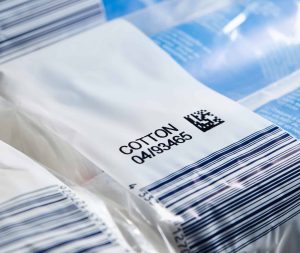
Foil
Whether as hygienic primary packaging for food and non-food articles or as secondary packaging for any type of product: foils made of metal or plastic are an important ...
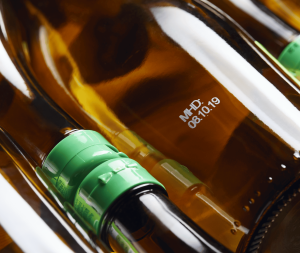
Glass
Glass is a popular, environmentally friendly packaging alternative. Not only is it reusable (returnable bottles) and recyclable, it is also the perfect packaging solution for ...
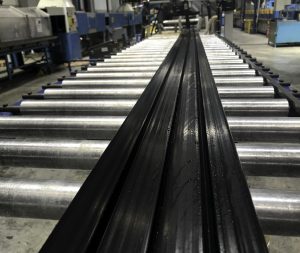
Rubber
Elastic, water-repellent and resistant – these are the most important properties of rubber. This material can be used to manufacture products as diverse as car tires, seals, ...
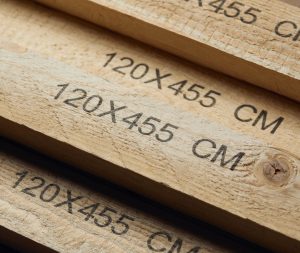
Wood
Wood is one of the oldest materials used by mankind. Robust and inexpensive, it is often used for packaging or transport in industry and logistics in the form of wooden crates ...

Cardboard & Paper
Cardboard and paper require reliable, high-contrast marking for applications such as barcodes, batch numbers, and traceability codes. With the right inkjet technology and inks, both materials can be printed quickly and reliably.
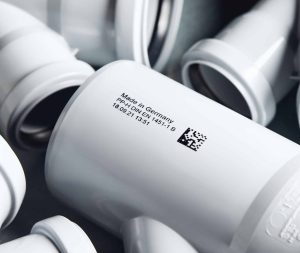
Plastics
Printing on plastics is almost as common in industrial production as printing on cardboard. This is because wherever separate outer packaging is ...
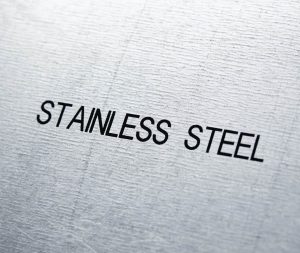
Metal
The marking of metal occurs at many points in the value chain. For example, metal parts -components require the printing of information for internal and ...
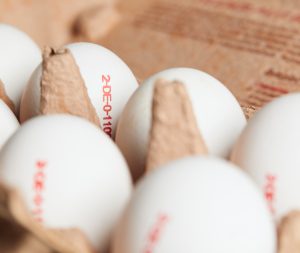
Food
Food and organic surfaces can be challenging to mark due to their porous and irregular properties. With food-grade inks, food can be printed reliably, safely, and with high contrast.
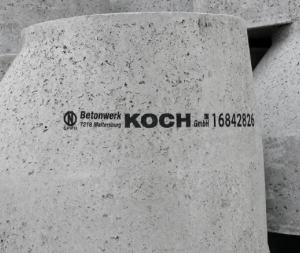
Concrete
Concrete places high demands on marking and coding. With the right printing technology, data, codes and logos remain permanently legible.
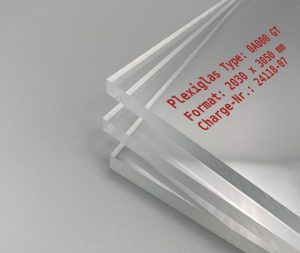
Plexiglass & Acrylic Glass
Plexiglass and acrylic glass have smooth, non-absorbent surfaces that require excellent ink adhesion and durability. With water- and UV-resistant inks, both materials can be marked reliably and permanently.
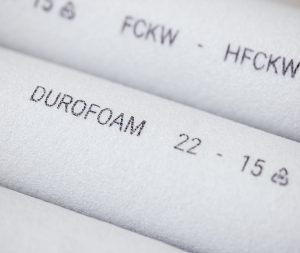
Styrofoam / EPS
Styrofoam has a porous but non-absorbent surface that places particular demands on the ink. With solvent-based inks, it can be marked reliably, quickly, and without damaging the material.
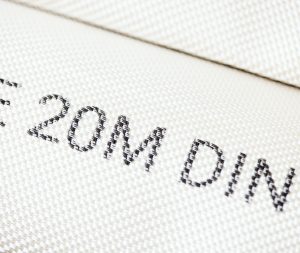
Textile & Fabric
Textiles and fabrics vary widely in fiber type, weave, and material composition, creating different requirements for marking. With the right inks, fabrics, textiles, and leather can be marked with high contrast and durability.

